Commercial refrigeration systems operate continuously, often under heavy load and in demanding environments. Unlike many other building systems, they operate continuously without downtime, which means even minor inefficiencies or faults can quickly escalate into serious performance issues if left unchecked.
Regular servicing is a crucial part of maintaining the reliability of your system, protecting stored products and ensuring compliance with food safety and operational standards. Poorly managed refrigeration systems are more likely to consume excess energy, experience unexpected breakdowns and compromise temperature stability.
The challenge for many business owners and facility managers is understanding how often their systems should actually be serviced. The answer is not always straightforward, as different equipment types, usage levels and operating environments all influence commercial refrigeration service frequency.
In this article, we’ll outline recommended service intervals for different types of equipment, uncover the risks of delayed servicing and explain what is typically included in a professional refrigeration maintenance program.
Recommended Commercial Refrigeration Service Frequency by Equipment Type
There is no universal servicing schedule that applies to every system. The appropriate commercial refrigeration service frequency depends on factors such as the type of equipment, how heavily it is used and the environment it operates in. High-demand environments such as hospitality venues or supermarkets will require more frequent servicing than low-use applications. Understanding the typical service intervals for each type of equipment is the first step in building an effective commercial refrigeration maintenance plan.
Coolrooms & Freezer Rooms
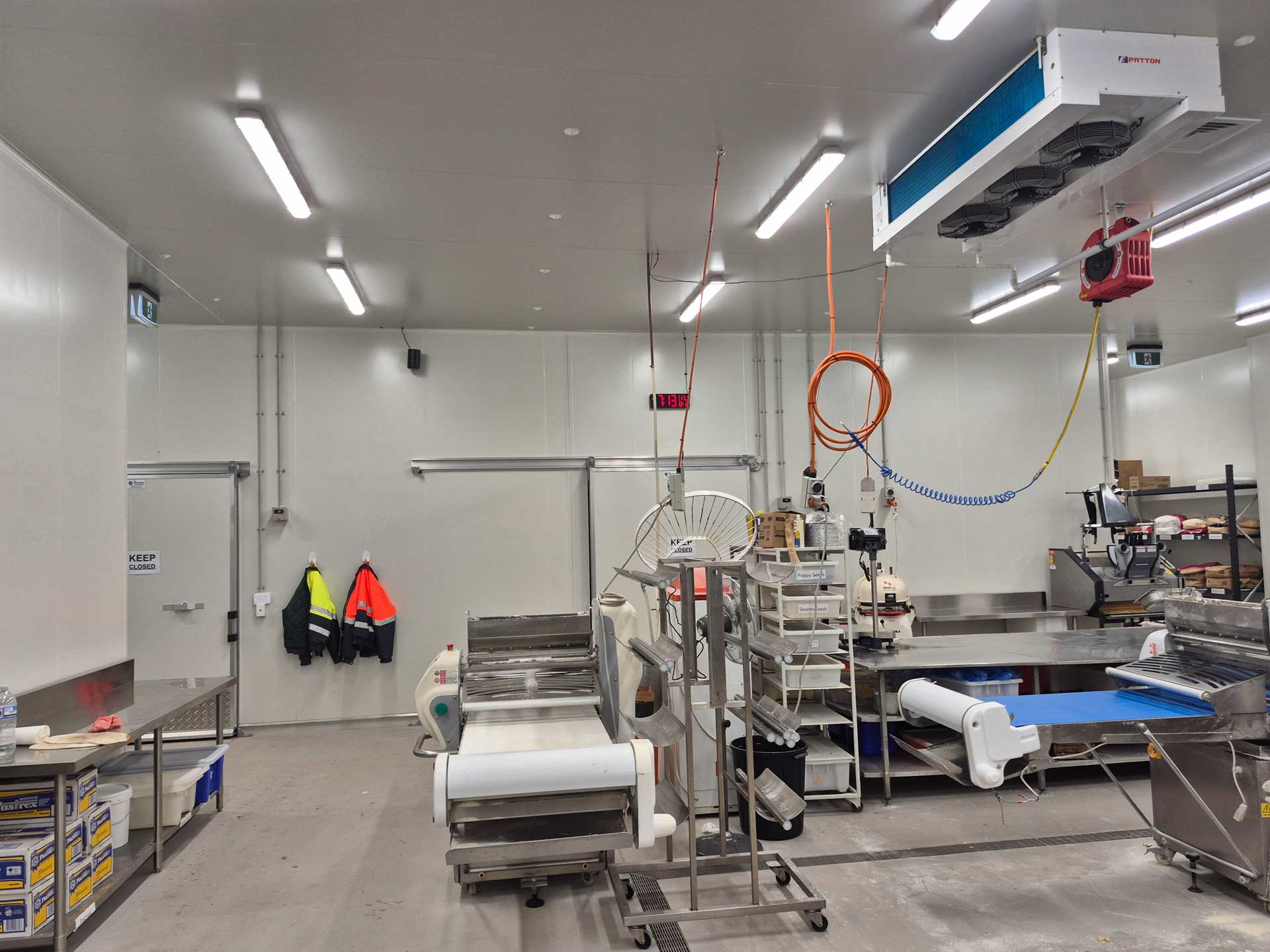
Coolrooms and freezer rooms generally require servicing every three to six months, depending on usage intensity and operating conditions. In high-traffic environments such as restaurants, supermarkets or food production facilities, more frequent coolroom servicing may be required to maintain performance and compliance.
Key components such as evaporator coils, door seals and drainage systems must be regularly inspected and maintained. Issues like ice build-up, damaged seals or blocked drains can quickly impact temperature stability and system efficiency. A structured maintenance schedule helps ensure these systems continue to operate reliably under consistent load.
Commercial Fridges & Display Units
Commercial fridges and display units are typically serviced every six months as part of a standard commercial fridge maintenance schedule. However, units located in high-traffic areas or frequently opened environments may require more regular attention.
Dust build-up on condenser coils, restricted airflow and worn components can all reduce efficiency and increase energy consumption. Routine servicing and maintenance helps maintain consistent temperatures, protects stored products and ensures the system operates as efficiently as possible.
Ice Machines & Specialty Refrigeration
Ice machines and other specialised refrigeration systems usually require servicing every three to six months due to their hygiene-critical role. These systems are particularly sensitive to scale build-up, water quality issues and bacterial contamination.
Regular servicing ensures internal components remain clean and functional, helping to maintain product quality and meet health standards. Without consistent maintenance, performance can decline rapidly, leading to both operational issues and compliance risks.
Large-Scale & Industrial Refrigeration Systems
Large-scale or industrial refrigeration systems typically require quarterly servicing or ongoing maintenance contracts. These systems are more complex and often operate across multiple components, including compressors, pumps and control systems.
Preventative refrigeration maintenance is essential in these environments to monitor refrigerant levels, system pressures and electrical performance. Ongoing servicing allows technicians to identify potential issues early and maintain system efficiency across larger, more demanding operations.
The Risks of Delayed Refrigeration Servicing
Delaying refrigeration servicing is not just a maintenance issue, it is a direct risk to your business. Systems that are not regularly maintained are far more likely to fail, operate inefficiently and create compliance challenges.
Increased Risk of Breakdowns
Minor faults within a refrigeration system can escalate quickly if left unaddressed. A small issue such as a blocked coil or worn component can develop into a major failure, resulting in costly system downtime and emergency repairs. Unplanned breakdowns can disrupt business operations, particularly in industries that rely heavily on consistent refrigeration, such as hospitality and food retail.
Higher Energy Consumption
Dirty condenser coils, blocked airflow and inefficient components all contribute to increased energy consumption. When a system has to work harder to maintain the required temperature, operating costs rise significantly. Regular servicing ensures the system is running efficiently, reducing unnecessary energy usage and lowering long term operational expenses.
Product Loss & Food Safety Risks
Temperature fluctuations caused by poorly maintained systems can lead to product spoilage and loss. For businesses handling perishable goods, this can have immediate financial consequences as well as reputational impact. Maintaining consistent temperatures is also essential for meeting food safety standards, making servicing a key part of operational risk management.
Compliance & Regulatory Issues
Refrigeration compliance is a critical consideration for many sectors, particularly those handling food, pharmaceuticals or temperature-sensitive products. Regular servicing supports refrigeration compliance maintenance by ensuring systems operate within required standards. Maintenance records, performance checks and servicing documentation may also be required during audits, making consistent servicing essential for compliance.
Reduced Equipment Lifespan
Refrigeration systems that are not regularly serviced tend to experience accelerated wear and tear. Components operate under greater strain, leading to more frequent failures and ultimately reducing the lifespan of the equipment. Investing in regular servicing helps extend system life and delays the need for costly replacements.
What’s Included in A Commercial Refrigeration Service?
A professional refrigeration service is designed to be preventative rather than reactive. The goal is not only to fix existing issues, but to identify and address potential problems before they lead to system failure.
System Inspection & Performance Testing
Technicians will assess the overall performance of the system, including temperature accuracy, pressure readings and system diagnostics. These checks help identify any inconsistencies or early signs of performance issues.
Cleaning & Airflow Optimisation
Cleaning is a critical component of any refrigeration system servicing checklist. Condenser and evaporator coils are cleaned to remove dirt and debris that can restrict airflow and reduce efficiency. Fans and airflow pathways are also inspected to ensure proper circulation throughout the system.
Electrical & Mechanical Checks
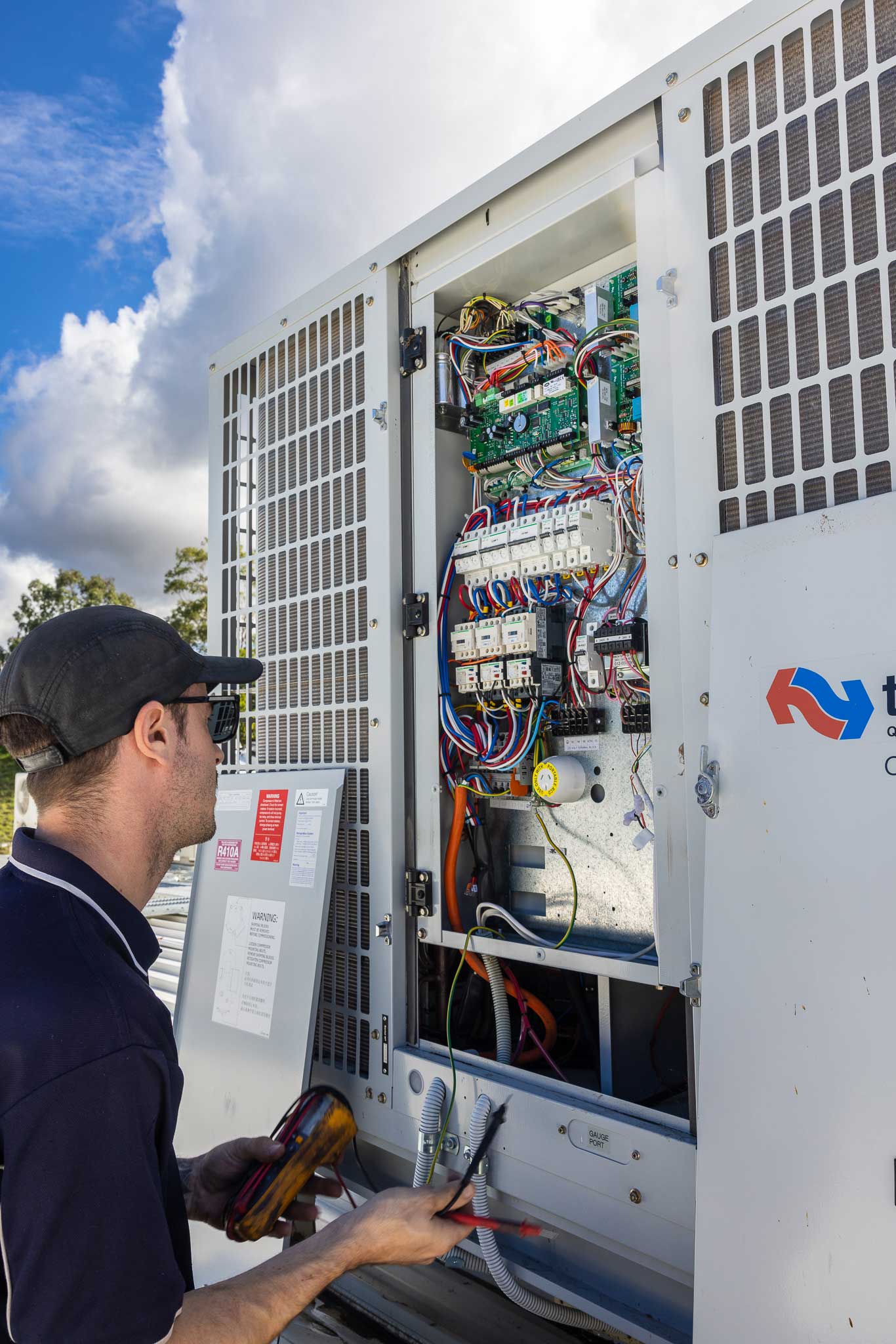
Electrical connections, wiring and control systems are inspected to ensure safe and reliable operation. Mechanical components such as compressors are also assessed for performance and wear. These checks help prevent unexpected failures and ensure all components are functioning correctly.
Refrigerant & Leak Checks
Technicians will check refrigerant levels and inspect the system for any leaks. Maintaining correct gas levels is essential for system performance and energy efficiency. Leak detection is also important for environmental compliance and preventing long term damage to the system.
Preventative Maintenance Adjustments
Preventative refrigeration maintenance includes calibrating system settings, identifying worn components and making minor adjustments before issues escalate. This proactive approach reduces the likelihood of breakdowns and helps maintain consistent system performance over time.
How to Create the Right Maintenance Schedule for Your Business
Every business operates differently, and as a result, refrigeration servicing schedules should be tailored to suit specific operational demands. Factors such as usage levels, industry requirements, environmental conditions and equipment age all play a role in determining the right approach.
Hospitality venues, supermarkets and medical facilities often require more frequent servicing due to higher usage and stricter compliance requirements. In contrast, lower-demand environments may operate effectively with less frequent servicing intervals.
Developing an effective commercial fridge maintenance schedule requires a clear understanding of how your systems are used and what level of reliability is required. A professional assessment allows technicians to identify risks, recommend appropriate service intervals and establish a maintenance plan that supports both performance and compliance.
Final Thoughts
There is no single answer to how often a commercial refrigeration system should be serviced. The ideal commercial refrigeration service frequency depends on the equipment, the environment and the demands placed on the system.
What remains consistent, however, is the importance of regular servicing. A proactive maintenance approach helps protect energy efficiency, maintain compliance, reduce the risk of breakdowns and extend the lifespan of your equipment.
If you’re unsure how often your system should be serviced, Complete Refrigeration & Air can assess your equipment and develop a tailored maintenance plan to keep your business running efficiently and reliably. To discuss your facility’s systems and their unique servicing requirements, get in touch with our specialist team today.