Selecting the right commercial air conditioning system is one of the most important choices building owners and facility managers make when planning HVAC installations or infrastructure upgrades. The system you choose directly impacts energy efficiency, occupant comfort, operational costs and long term maintenance requirements.
Every commercial building has unique cooling demands. Factors such as building size, internal layout, occupancy levels, operating hours and energy efficiency goals all influence which system is most suitable. A system designed for a retail store will differ significantly from one used in a medical facility, university or large office complex.
Understanding the different commercial air conditioning types available can help facility managers make more informed decisions during the planning stage of a project. In this guide, we’ll explore the most common commercial HVAC systems used in modern buildings, explain where they work best and outline the key considerations when choosing the right solution for your facility.
Overview of Major Commercial Air Conditioning Types
There are several commercial air conditioning types used across diverse industries and building environments. Each system is designed to address specific cooling requirements, building layouts and operational demands. The most widely used commercial HVAC systems include ducted systems, VRF systems, packaged units and chilled water systems. Each option offers its own advantages from an efficiency, scalability and performance perspective.
VRF Systems
A VRF system (Variable Refrigerant Flow) is one of the most advanced and energy efficient commercial HVAC technologies available today. These systems regulate the flow of refrigerant to multiple indoor units, allowing precise temperature control across different zones within the building.
A major advantage of VRF systems is their ability to simultaneously heat and cool different zones of a facility. For example, one office may require cooling while another requires heating. The system automatically adjusts refrigerant flow levels to meet these demands without wasting energy.
VRF systems are well known for high efficiency and flexible design capability. They support multiple indoor units connected to a single outdoor system, making them ideal for multi-zone premises such as office buildings, hotels, medical centres and mixed-use developments.
Because they allow for independent temperature control in different spaces, VRF systems are often a preferred option in modern commercial HVAC design where comfort and energy efficiency are both priorities.
Ducted Systems
A ducted system distributes conditioned air throughout a facility via a network of ducts and ceiling vents. These systems use a central air conditioning unit that pushes cooled air through ductwork to multiple rooms or areas.
Ducted systems are commonly used in offices, retail spaces and other commercial environments where a centralised cooling solution is required. Once installed, the ductwork remains hidden within ceilings or walls, creating an unobtrusive and clean appearance.
One of the key benefits of ducted systems is their ability to provide consistent airflow throughout the building. However, the efficiency of a ducted system relies heavily on proper duct design. Poorly designed or undersized ductwork can restrict airflow, reduce system performance and increase operating costs.
For this reason, professional commercial HVAC design is essential when installing ducted air conditioning systems to ensure both system efficiency and optimal airflow.
Packaged Units
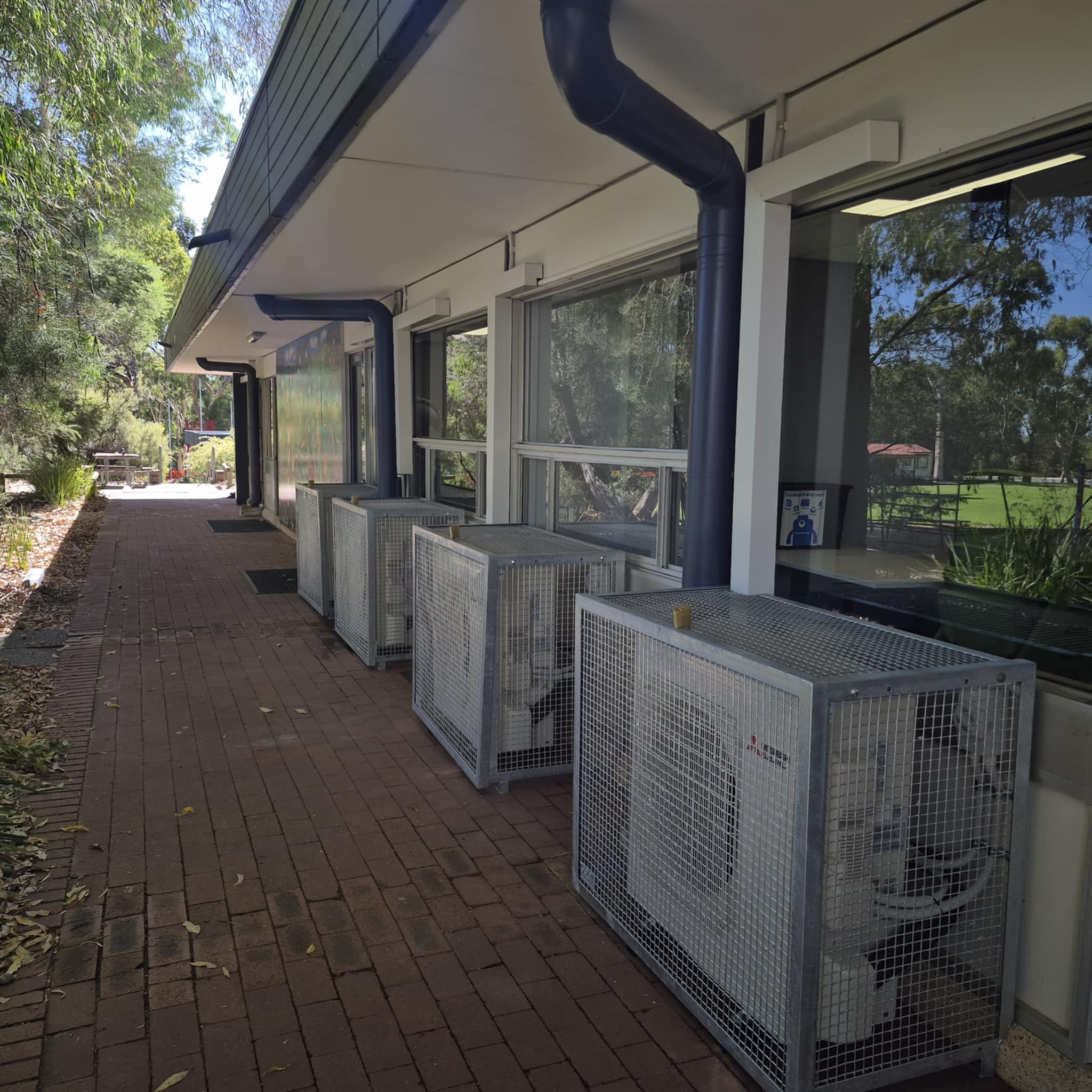
Packaged units are self-contained commercial air conditioning systems that house all major components, including the compressor, condenser and evaporator. These systems are typically installed on rooftops or external platforms.
Installation and maintenance for packaged units are both relatively straightforward, because the entire system is contained in one unit. Technicians can access components easily without needing to enter occupied areas of the building.
Packaged units are commonly found in large open-plan environments such as warehouses, manufacturing facilities, shopping centres and large retail stores. They are well suited to buildings where zoning requirements are minimal and large spaces require consistent cooling. Their simple configuration and accessibility make them a practical option for many commercial HVAC installations.
Chilled Water Systems
Chilled water systems are typically used in large commercial facilities where cooling loads are substantial. These systems use a central chiller to produce chilled water, which is then circulated through pipes to air handling units or fan coil units throughout the building.
Because chilled water systems can support very large cooling capacities, they are commonly found in hospitals, universities, airports, large office towers and major commercial complexes.
One of the advantages of chilled water systems is their ability to integrate with sophisticated building management systems (BMS). This allows facility managers to monitor system performance, adjust cooling loads and optimise energy efficiency across the entire building.
While chilled water systems may require a higher upfront investment compared to smaller systems, they are often the most effective solution for facilities with large or complex cooling demands.
Matching System Type to Building Use
Selecting the right commercial HVAC system involves more than simply calculating cooling capacity. The building’s layout, occupancy patterns and operational requirements play a major role in determining which system will perform most effectively.
Different commercial air conditioning types are designed to suit different building environments.
Small to Medium Commercial Buildings
For smaller commercial buildings such as offices, medical clinics or retail stores, ducted systems, packaged units and smaller VRF systems are often suitable options.
Ducted systems provide consistent cooling throughout the building and work well where internal layouts are relatively simple. Smaller VRF systems can offer improved zoning flexibility, allowing different areas of the building to maintain separate temperature settings.
Packaged units may also be used in buildings with large open spaces where zoning is less critical. These systems provide reliable cooling while remaining relatively simple to install and service.
Multi-Zone Buildings
Buildings that require multiple temperature zones often benefit from VRF systems. Office complexes, hotels and mixed-use developments frequently require independent temperature control across different floors or rooms.
A VRF system allows facility managers to regulate temperature in each zone independently without affecting other areas of the building. This flexibility improves occupant comfort and reduces unnecessary energy consumption.
For facilities where zoning is essential, VRF systems often provide the most adaptable and energy efficient solution.
Large Facilities & High Cooling Loads
Large commercial facilities with substantial cooling requirements typically rely on chilled water systems or large packaged units.
Hospitals, universities, shopping centres and large office towers often require systems capable of handling significant cooling loads across multiple floors or buildings. Chilled water systems are particularly effective in these environments due to their scalability and integration with building management systems.
System capacity, redundancy planning and long term scalability all play important roles when designing commercial HVAC systems for large facilities.
Cost, Maintenance & Scalability Considerations
When selecting between different commercial air conditioning types, it is important to consider the full lifecycle cost of the system rather than focusing solely on expenses tied to installation. Factors such as maintenance requirements, energy consumption and future expansion should all be considered during the planning process.
Installation Costs
The cost of commercial air conditioning installation varies depending on several factors. Building size, system capacity, installation complexity and required infrastructure all influence the final cost of the project.
Systems such as chilled water installations generally involve higher upfront investment due to the equipment and piping infrastructure required. However, these systems may provide better performance and efficiency for large buildings.
Conversely, smaller facilities may achieve excellent results with ducted systems, packaged units or VRF systems that require less infrastructure. Professional system design ensures the chosen system aligns with both operational requirements and budget.
Maintenance Requirements
The approach to system maintenance will differ depending on the type of commercial HVAC system your facility has.
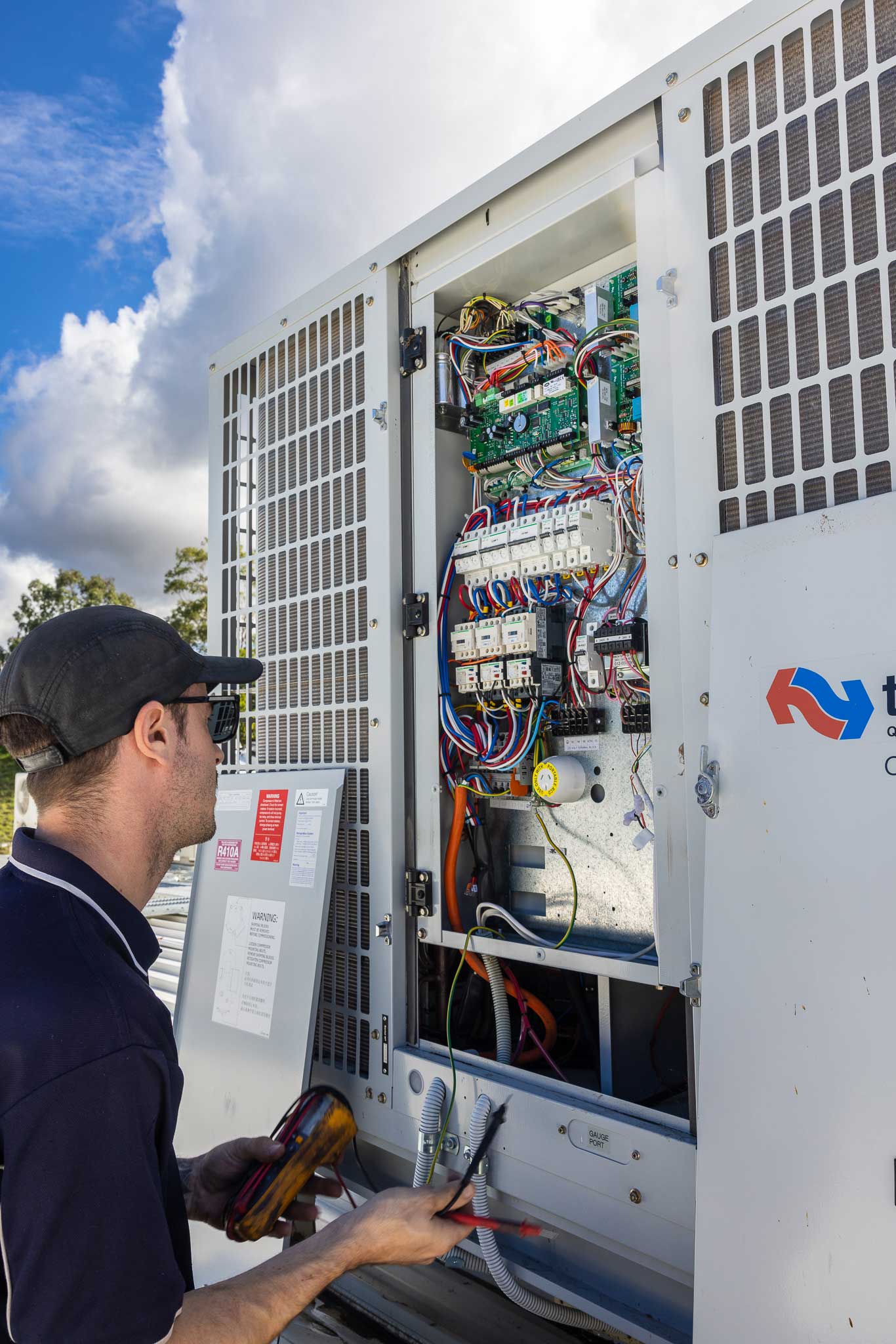
VRF systems require specialist servicing to maintain refrigerant control and ensure system performance. Ducted systems require regular filter changes, airflow inspections and duct maintenance to ensure efficiency is maintained.
Packaged units benefit from their rooftop installation, which provides technicians with easier access for servicing. Chilled water systems require ongoing monitoring of chillers, pumps and water loops to ensure continued, reliable operation.
Regardless of system type, preventative HVAC maintenance programs play a critical role in protecting system efficiency and reducing the likelihood of unexpected breakdowns.
Future Scalability
When planning a commercial HVAC installation, it is important to consider how the building may evolve over time.
Facilities that expect to expand may benefit from systems that allow additional capacity to be added in the future. VRF systems often allow extra indoor units to be connected as new spaces are developed. Chilled water systems can also support expanded cooling loads with additional equipment. Considering future facility growth during the design and engineering stage can prevent costly redesigns or system replacements later.
Choosing the Right Commercial HVAC System for Your Facility
There is no universal solution when it comes to commercial air conditioning types. The right system depends on a range of factors including layout, cooling demand, energy goals and long term operational requirements.
A properly designed system ensures the building receives consistent cooling performance while maintaining energy efficiency and manageable operating costs. Achieving this balance requires careful planning, accurate load calculations and professional commercial HVAC design.
Working with experienced HVAC specialists ensures the system selected aligns with both the building’s technical requirements and the facility manager’s operational goals.
Final Thoughts
Choosing between different commercial air conditioning types is a decision that can influence ongoing building performance for many years. The right system helps to improve comfort, reduce energy bills and ensure reliable cooling during periods of high demand.
Every building has unique requirements, and as such, system selection should always begin with a professional assessment of a facility’s cooling needs, layout and operational goals. If you are planning a commercial air conditioning installation or system upgrade, the team at Complete Refrigeration & Air can help evaluate your facility and recommend the most suitable solution.
Contact our team today to discuss your project and ensure your commercial HVAC system is designed for performance, efficiency and reliability over time.